Finding old streets new again
Mosul's comeback, Sudan's atrocities, Brazil's summit

In 2008 I traveled to Mosul, then the second largest city in Iraq and arguably its cultural capital. I was there to interview city officials, but quickly had to leave under an Iraq Army escort when the lights were cut and seven bombs went off across the city. A group going by the name Islamic State was making itself known even then.
The city remained off limits for years after, a nest of terror activity and restrictions. News from Mosul came instead from people who escaped to describe their businesses being blown up, women (even Christian women) forced to wear hijab to step out their door, children unable to go to school for days at a time. Islamic State became known to us as ISIS (Da’esh in this part of the world). The terror group took over the city of 3-4 million in a lightning strike in 2014, sending residents further into darkness.
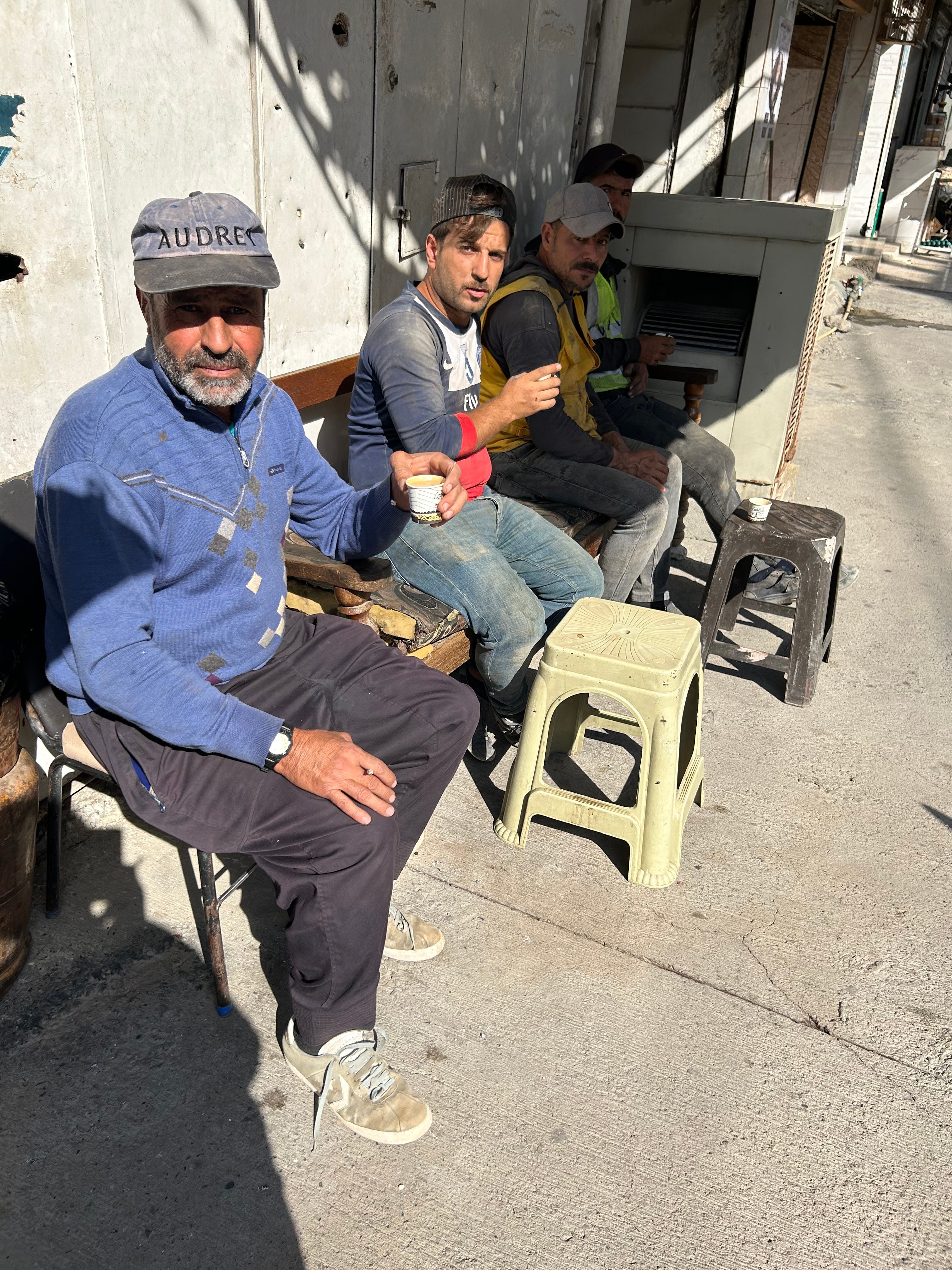
I returned in 2017 as coalition forces fought to dislodge ISIS, first liberating the eastern side of the city, then its western and most historical hub. As ISIS dug in via miles of tunnels under ancient neighborhoods, the coalition forces pounded the old buildings and alleyways. Having survived centuries of conflict, many parts were reduced to rubble. I watched some of the bombing from across the Tigris, walked areas torched by ISIS, slept in an abandoned house with a U.S.-led medic corps, and wondered if the city ever could come back.


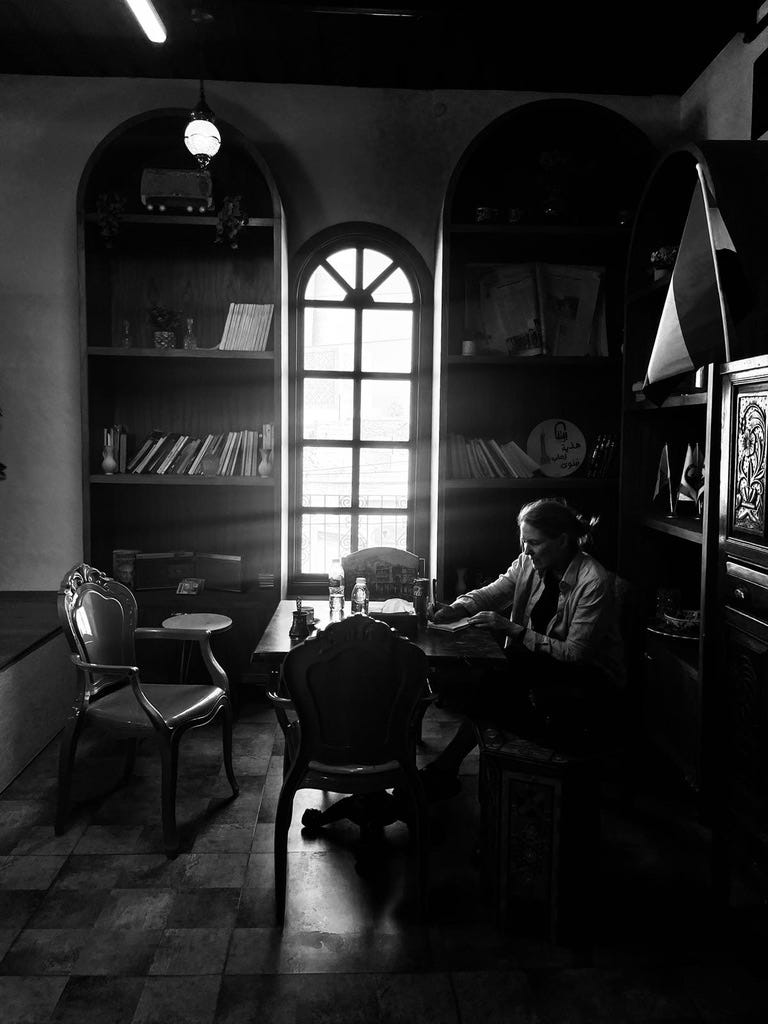
So I don’t have words for having the opportunity this week to walk the old streets of Mosul, and find them new again. To see churches and mosques rebuilt, burger joints and real estate offices open, a riverfront lit with new chain hotels. Challenges remain, many of them, but to sit in a book-lined café in the old quarter with someone watering flower beds outside felt miraculous, healing.
With the destruction of war always in our headlines, and urban warfare now a new norm, finding what’s possible for postwar cities seems like a valuable exploration. I will have a fuller report to come.
Other news:
Israel launched airstrikes into southern Lebanon to counter Hezbollah, it said, as the U.S. plans to reinsert troops in the Middle East came into focus. Potential sites: Gaza, Lebanon, and southern Syria.
In Sudan’s Darfur region, new satellite imagery detected activity “consistent with mass graves” in El-Fasher, Yale researchers said in a report released Thursday. RSF militants have cut off the city in recent months after wresting control from the Sudanese military, which has fought a devastating war against their former coalition partner after its government collapsed in 2023.
The RSF emerged from the Janjaweed militia that killed hundreds of thousands of people in Darfur between 2003-2005, and is accused of committing atrocities against non-Arab groups across Sudan.
At the Saudi Maternity Hospital, the only functioning hospital in El-Fasher, more than 460 patients were massacred in late October, reports the World Health Organization, with doctors and staff abducted.
Dozens were massacred at a university on the western side of the city, according to the BBC. The news outlet also identified an RSF commander who goes by Abu Lulu online executing unarmed captives.
The Trump administration has negotiated with both sides toward a humanitarian ceasefire, even as the atrocities reportedly continued.
Nigeria was redesignated as a Country of Particular Concern by the U.S. for its failure to protect religious freedom and halt attacks by Fulani herdsman and Boko Haram militants on Christian populations. The designation opens it to U.S. sanctions. There’s little question about the prevalence of attacks but plenty of debate around whether Trump’s threat to send U.S. troops to Nigeria is needed.
Concern grows in Niger over the whereabouts of Kevin Rideout, an American missionary pilot kidnapped from a hotel in Niamey, the capital, on Oct. 21. Rideout, who has lived in Niger since 2010, has not been heard from since his phone was last tracked in an area around 50 miles north of Niamey where terrorists belonging to the Islamic State-Sahel Province (ISSP) maintain a large presence.
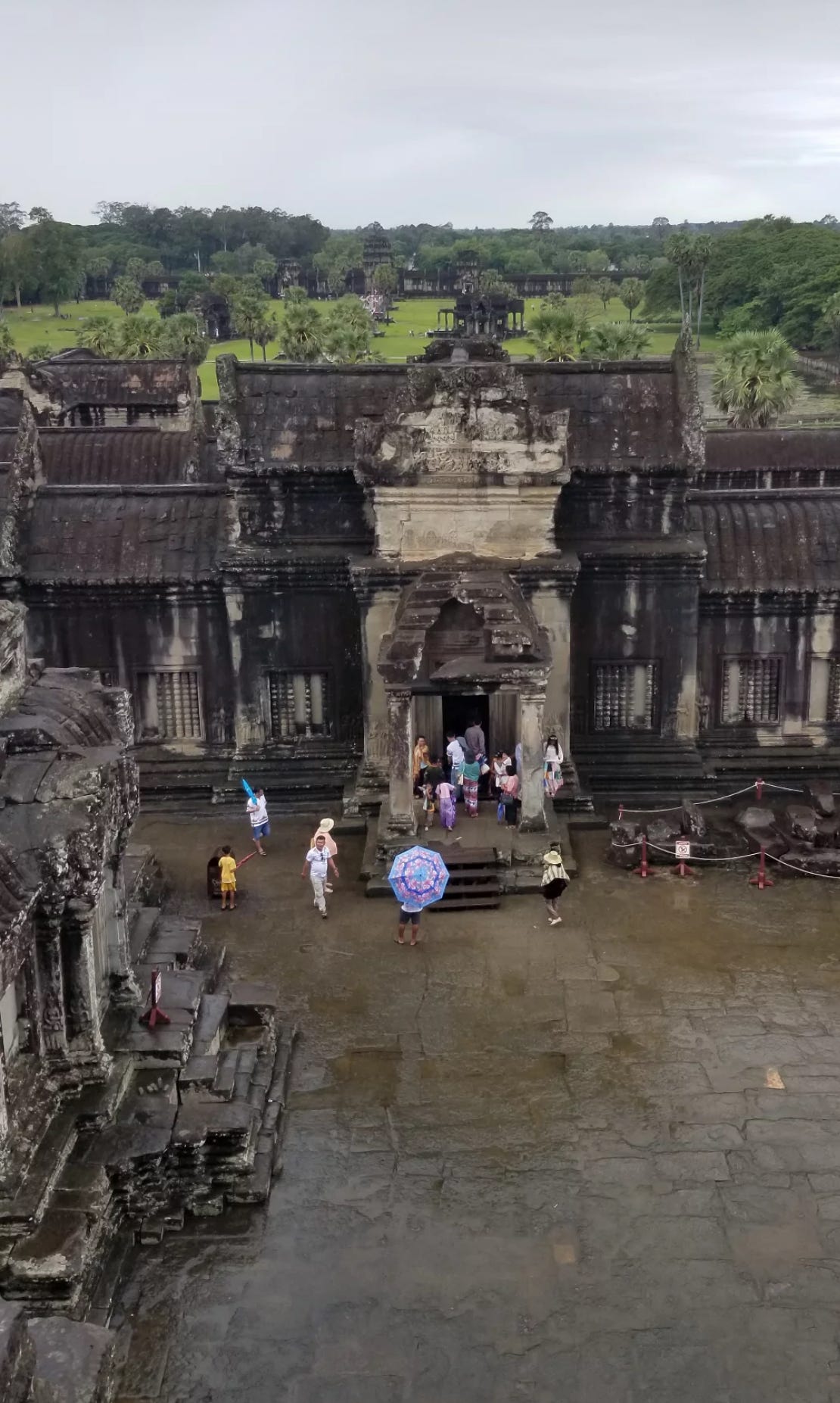
Typhoon Kalmeigi made landfall in Vietnam after killing at least 188 people in the Philippines. It continued westward into Cambodia and Laos, with high winds and some flooding reaching to the Angkor Wat temple complex.
Two months into targeting vessels from Venezuela, President Trump’s unprecedented campaign of lethal strikes against suspected drug traffickers has left Congress still in the dark.
“I don’t think any part of the Constitution says that you can just go blow people up who you’re not at war with,” Republican Sen. Rand Paul told The Dispatch in the Capitol on Wednesday.
On Thursday Republicans for a second time voted down a measure, 51-49, that would prompt the President to seek congressional authorization for the strikes.
In Brazil, the COP30 climate summit gets underway Nov. 10 with the second-largest emitter of the world’s carbon output largely absent. The United States won’t send a high-level representative as it pushes back against a global climate change initiative. EU leaders on the eve of the summit held a marathon session to agree on watered-down goals to adapt to the new skepticism around going green.
Diptheria, once a relic of prevaccination days, is resurging with mass displacements and interruptions in immunizations.
In Iraq, Friday is a day off and masgouf, or grilled fish, is on the menu. Wish you were here.
I've never had any desire to walk in Mosul... until your descriptions. I can smell the grilled fish and feel the radically different experiences from your 1st visit. Blessings, sister -- much love from North Carolina.
Always enjoy reading your travelogue and reporting. Stay safe under the Lord’s watchful eye.